Dubai has a reputation for being expensive, and it can be. But a good half of what makes the city worth the flight costs nothing, and several of the famous paid attractions are worth exactly one photograph. This is the list we actually send people when they ask, grouped by what it costs rather than by neighbourhood.
Free things worth doing
1. The Dubai Fountain. Shows run every half hour from 18:00 until 23:00 — eleven of them a night — with quieter, music-free shows in the early afternoon. Stand on the Souk Al Bahar bridge rather than the mall terrace: the same view, a fraction of the crowd.
2. Cross the Creek on an abra. One dirham per person, cash to the driver, on the wooden boats between Deira and Bur Dubai. It is the best five minutes in the city and has barely changed in fifty years.
3. Al Fahidi historical district. Wind-tower houses, courtyard cafés and small museums in the old quarter, walkable in an hour and free to wander.
4. Kite Beach and La Mer. Public beaches with showers, changing rooms and cafés. Kite Beach has the Burj Al Arab in the background and a running track behind it.
5. Alserkal Avenue. A converted warehouse district in Al Quoz where the contemporary galleries are free to enter, Tuesday to Saturday. Almost no tourists.
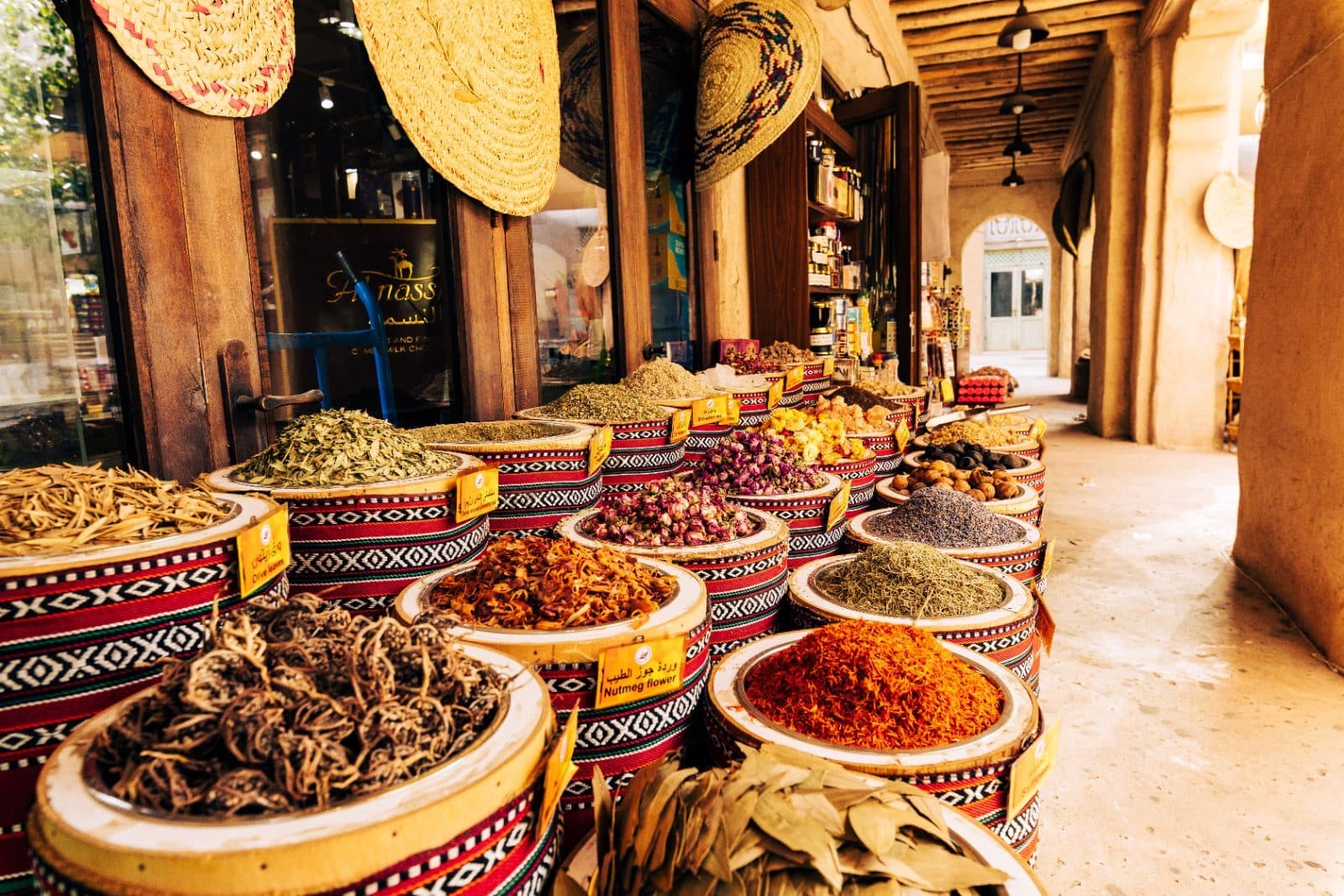
6. The spice and gold souks. Free to walk, and gold is sold by weight against the daily rate — the making charge is the negotiable part.
The paid attractions, ranked honestly
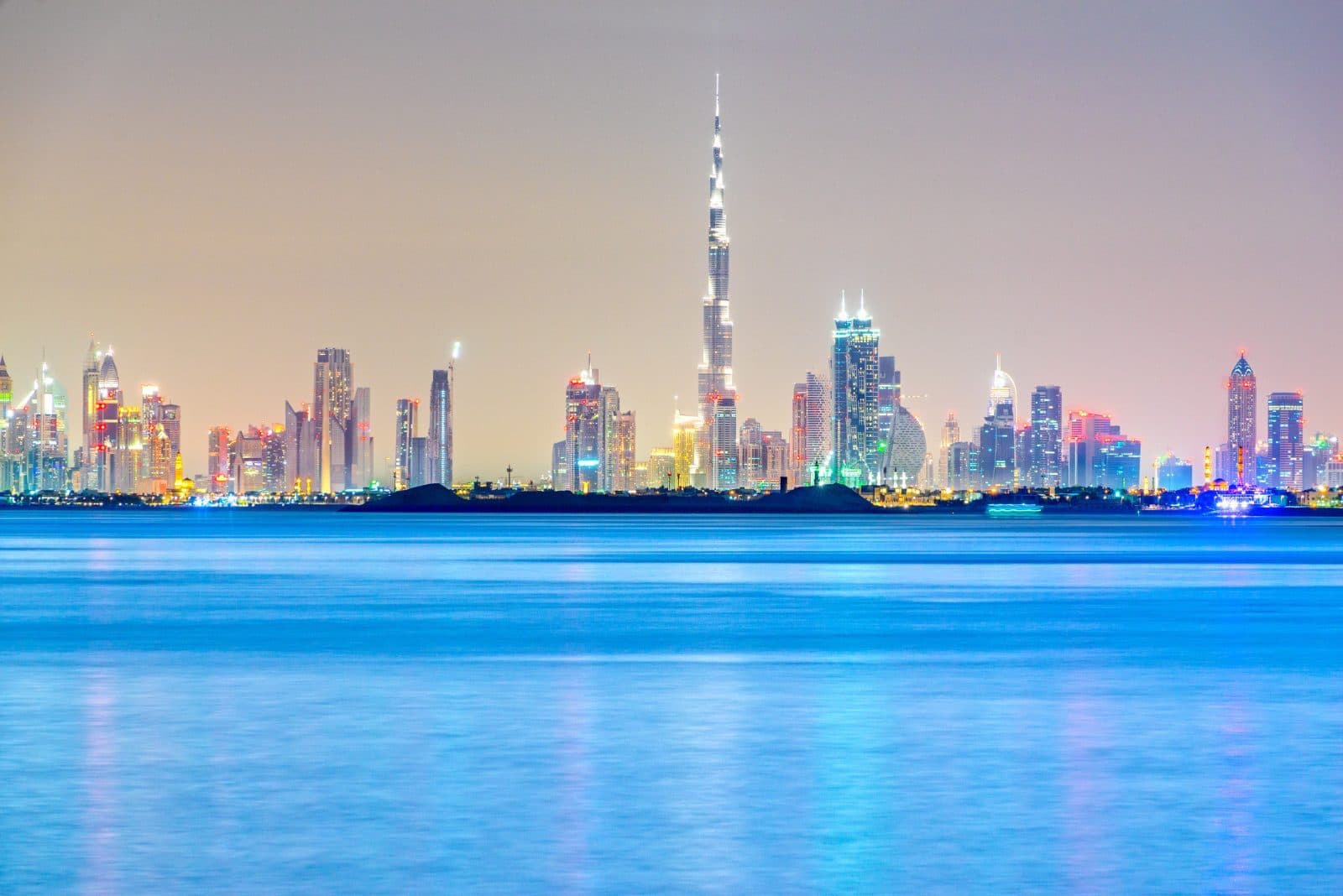
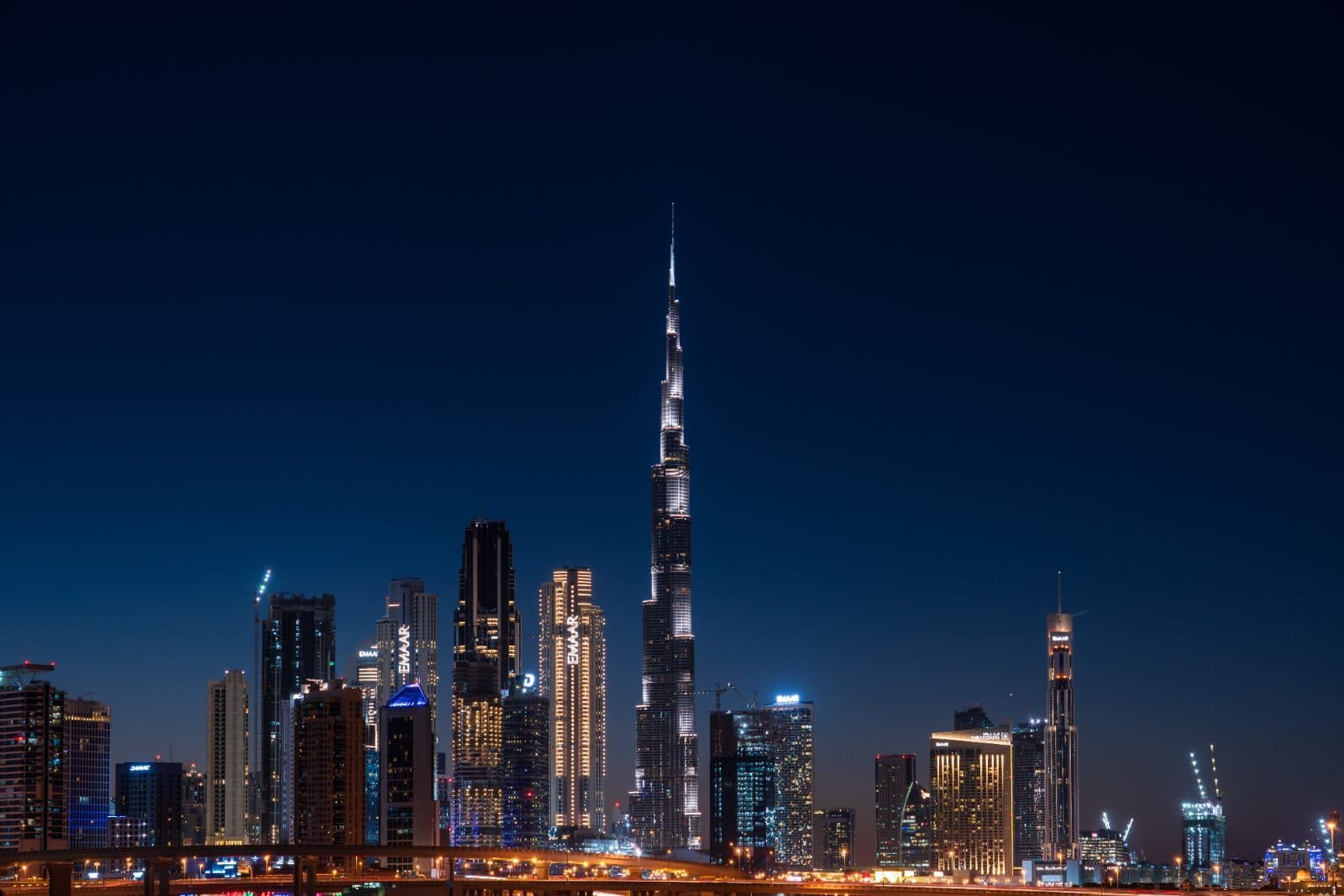
Burj Khalifa, At the Top. Levels 124 and 125 sit around 456 metres up, with an open-air terrace on 125. The Sky ticket adds level 148 at 555 metres, the highest observatory in the world, where you get a timed slot and Arabic coffee. Sunset slots cost more and sell out first; the slot an hour after sunset gives you the city fully lit for less.
Museum of the Future. The building alone justifies the ticket, and the upper floors are genuinely well made. Book ahead — it sells out days in advance in season.
The water parks. Aquaventure at Atlantis and Wild Wadi are both good, and both are full-day commitments. Go on a weekday if you can.
What we would skip
Several of the newer observation decks sell the same skyline for a similar price to the Burj Khalifa. Pick one and spend the rest of the afternoon on the water instead. The same goes for the indoor snow and ice attractions in summer — fun for an hour, and an hour is all you will want.
The desert, and which one you actually want
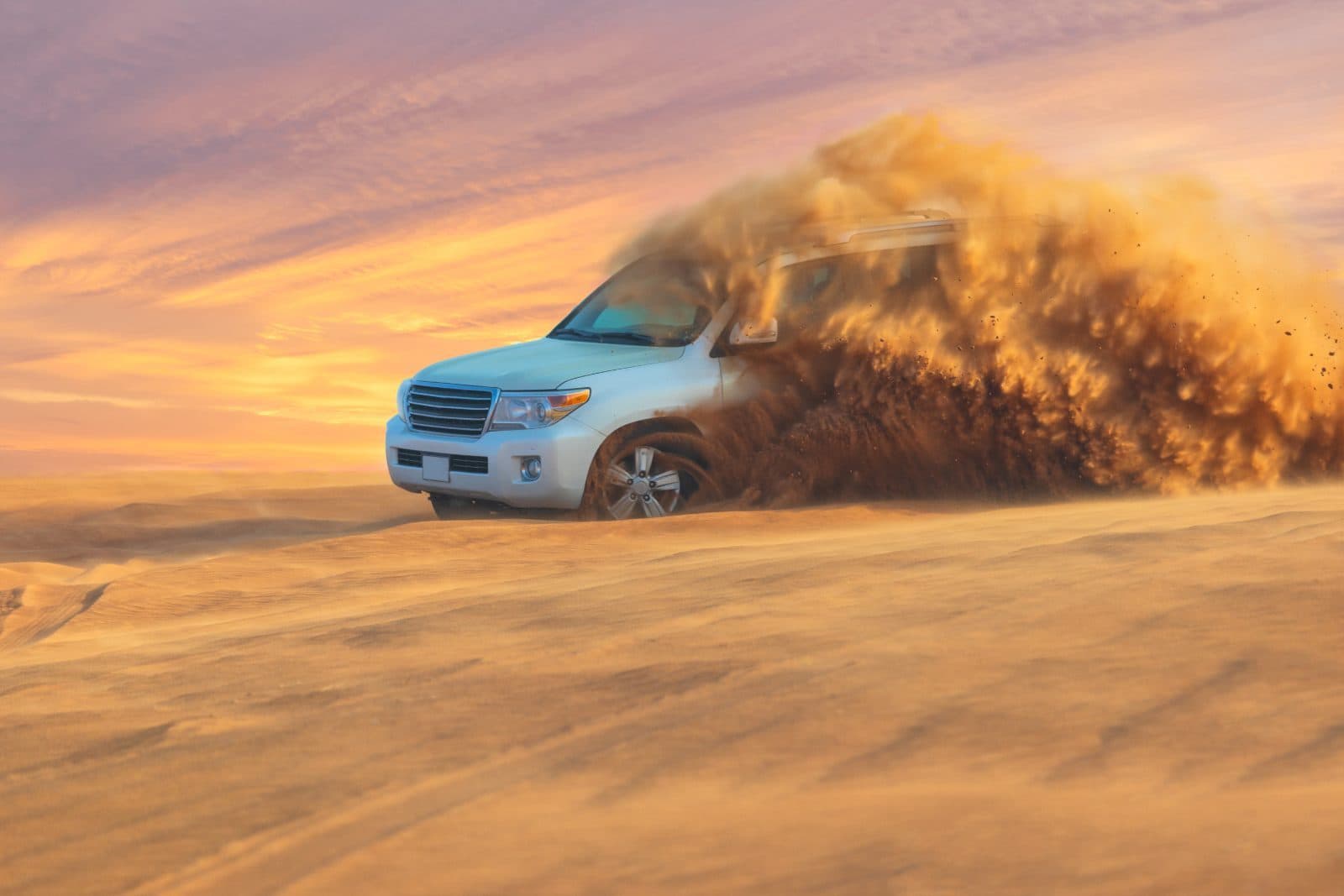
Not all desert trips are the same, and the difference matters more than the price. The red dunes at Lahbab, about forty-five minutes out, are where the high-speed dune bashing happens — the sand really is red, from iron oxide, and the dunes are steep enough for the drive to be the point.
Al Marmoom, around 40km from Downtown, is a protected conservation reserve. Motorised dune bashing is heavily restricted there, and it is used instead for calmer trips: camel trekking, falconry, desert lakes and a decent chance of seeing Arabian oryx. If you have small children or a nervous passenger, this is the better half of the desert.
Either way, evenings in the desert between November and March are much cooler than the city. Bring a light jacket — people are consistently surprised by this.
Booked through us
Evening desert safari, hotel pick-up included
The one paid activity almost every first-timer is glad they did. Dune bashing at Lahbab, camel rides, a BBQ camp and the shows, with a driver who collects you from your hotel.
See the tour →Food and drink
This is where Dubai quietly beats its own marketing. You can eat extremely well for twenty dirhams and extremely well for two thousand, and the gap between them is smaller than you would expect.
For the cheap end, go to Al Karama or Deira: karak tea, parathas, shawarma and South Indian food, mostly under AED 30 a head. For the expensive end, the rooftops in the Marina and Downtown are worth booking a week ahead in season.
Friday brunch is the local institution — a set price, several hours, and a far wider spread than the word suggests anywhere else. It is the one meal to plan around.
Getting around
The Metro is clean, cheap and air-conditioned, and it reaches most of what visitors want. It runs from 05:00 to midnight Monday to Thursday and Saturday, until 01:00 on Friday, and starts later — 08:00 — on Sunday.
Buy a Nol Silver card at any station. Fares run from about AED 5 for two zones to AED 7.50 for longer trips, and there is a daily cap of AED 14 — once you hit it, everything else that day is free. Taxis are metered and reasonable by European standards, and the ride-hailing apps work normally.
When to come
November to March is the season: daytime around 22–26°C, low humidity, evenings cool enough for a jacket. It is also when prices peak and the good slots sell out. April, May and October are the value months — warm but bearable, and noticeably cheaper.
June to September is genuinely hard outdoors: 40–45°C with high humidity. Hotel rates collapse, the malls and indoor attractions are excellent, and the desert is only comfortable after dark. Come in summer for the prices, not the beaches.
Ramadan moves earlier by about eleven days each year, so check the dates for your trip. Eating, drinking and smoking in public during daylight is avoided, some restaurants close in the day and hours shorten — but the evenings, with iftar buffets and night markets, are one of the best times to be here.
Questions people ask before they come
How many days do you need in Dubai?
Three full days covers the skyline, the old town and a desert evening without rushing. Five lets you add Abu Dhabi or Hatta, and a week is comfortable if you want beach days in between.
Is Dubai expensive for tourists?
It can be, but it does not have to be. Beaches, souks, the abra, the fountain shows and the historical district are free. The cost comes from the headline attractions, alcohol and the well-known restaurants — you can have a very good week while picking one or two of those.
What should women wear in Dubai?
Normal summer clothing is fine in malls, hotels and restaurants. Cover shoulders and knees in the old town, the souks and government buildings, and bring a headscarf for mosque visits. Swimwear is for beaches and pools only.
Is alcohol available to tourists?
Yes, in licensed hotels, bars and restaurants, and tourists can buy from licensed shops. Drinking in public or being drunk in public is not tolerated, and the rules tighten during Ramadan.
What is the cheapest way to get around Dubai?
The Metro with a Nol Silver card. Fares run roughly AED 5 to AED 7.50 depending on zones, and the daily cap means travel is free once you have spent AED 14 in a day.